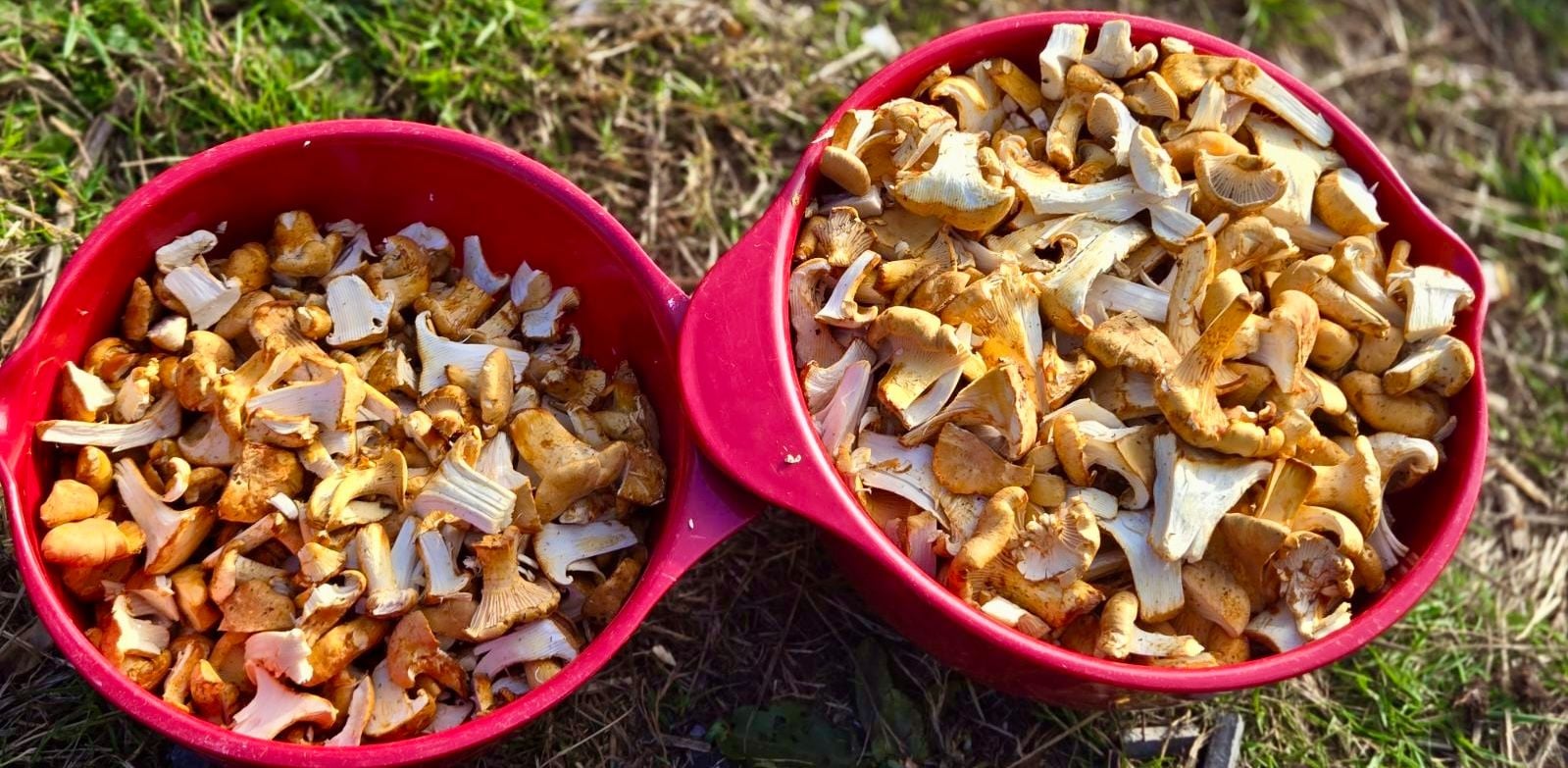
Cantharellus commonly known as Chantrelle
Mushroom hunting on the Oregon Coast is a deeply rewarding activity that offers a blend of adventure, discovery, and culinary delight. The region's temperate rainforests and sandy coastal landscapes provide the ideal conditions for a diverse range of fungi, making it one of the best areas for foraging in the Pacific Northwest. Whether you’re an experienced mycologist or a curious beginner, the allure of finding prized mushrooms in their natural habitat is hard to resist.
The Mushroom Seasons
The best time to hunt mushrooms along the Oregon Coast is fall, typically between late September and November, depending on rainfall and temperature. However, mushrooms can also emerge outside of the fall season, appearing after summer rains or following a dry spell in the winter. After the first substantial rains of the season, the forest floor comes alive with mushrooms, ranging from culinary favorites like chanterelles and king boletes to visually striking but inedible varieties such as Amanita muscaria.
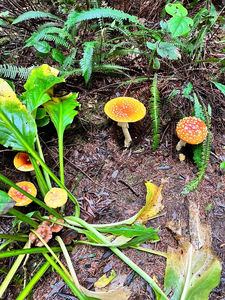 Amanita muscaria
Chanterelles, known for their golden hue and delicate, fruity aroma, are a standout favorite for both foragers and chefs. They thrive in damp, mossy areas, often near conifers or hardwoods like oak and madrone. King boletes, or porcini, are another highly sought-after species, valued for their nutty flavor and meaty texture. Oyster mushrooms, lobster mushrooms, and matsutakes are also common finds and add a variety of flavors and textures to your foraging basket.
The Art of the Hunt
Foraging for mushrooms requires patience and attention to detail. Prime hunting spots are often well-guarded secrets among seasoned foragers, as the best areas can yield bountiful harvests year after year. However, a good rule of thumb is to search in forests rich with Shore Pine, Douglas Fir, Spruce, or Cedar trees, especially in areas with plenty of decaying organic matter. Look under fallen logs, around the bases of trees, and in shaded areas thick with ferns or brush.
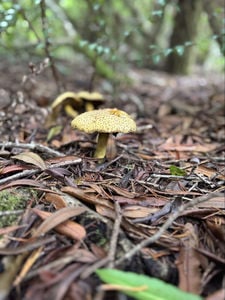
Genus Xerocomellus
While mushroom hunting is exciting, safety is paramount. Always carry a reliable field guide or use a trusted identification app to ensure you can differentiate between edible mushrooms and their toxic counterparts. If you’re unsure about a particular mushroom, err on the side of caution and consult an expert before consuming it.
Cooking and Preserving Your Harvest
Once you've brought your bounty home, the possibilities for preparing and preserving mushrooms are nearly endless. Chanterelles, for instance, are excellent when sautéed with butter, garlic, and herbs, allowing their delicate flavor to shine. King boletes are perfect for soups, risottos, or even sliced thin and grilled. Oyster mushrooms pair beautifully with stir-fries and pasta dishes, while the peppery notes of lobster mushrooms make them an exciting addition to chowders and casseroles.
For longer-term storage, consider preserving your mushrooms. Drying is one of the most popular methods, particularly for boletes, as it intensifies their flavor. A food dehydrator works best, but you can also use a low oven or air-dry them in a well-ventilated area. Freezing is another option, especially for sautéed mushrooms, which can be added directly to recipes later. Pickling is a traditional preservation method that not only extends the shelf life of mushrooms but also creates a tangy snack or condiment.
Foraging Etiquette and Sustainability
When foraging, it’s important to follow ethical and sustainable practices. Always harvest responsibly by taking only what you can use and leaving some mushrooms behind to ensure future growth. Use a basket or mesh bag to carry your finds; this allows spores to disperse as you walk, helping to propagate new mushrooms. Be sure to research local regulations, as some areas may require permits or have restrictions on the quantity of mushrooms you can collect.
Learning the Ropes
If you’re new to mushroom hunting, joining a local group or attending a workshop can be invaluable. Organizations such as the Oregon Mycological Society and the Cascade Mycological Society offer a wealth of resources, including identification classes, guided foraging walks, and opportunities to connect with experienced foragers. Community colleges and local parks also host educational events in the fall, providing a great introduction to the fungi of the region.
The Joy of Discovery
Even if you don’t plan to eat what you find, exploring the coastal forests for mushrooms can be a captivating experience. The variety of shapes, colors, and sizes is truly remarkable, from the bright red caps of Amanita muscaria to the delicate, translucent stems of Mycena species. Mushroom hunting is as much about the journey as the destination, offering a chance to slow down, connect with nature, and marvel at the intricate ecosystems of the Oregon Coast.
Mushroom hunting along the Oregon Coast is a cherished tradition for many locals and visitors alike. Whether you’re foraging for culinary treasures or simply appreciating the beauty of the forest, this activity provides a unique way to engage with the natural world. With a little preparation, respect for the environment, and perhaps some culinary creativity, you’ll find that mushroom hunting offers both nourishment and inspiration.
🌲🍄 Mushroom Hunting on the Oregon Coast 🍄🌲
Fall is the perfect time to explore the lush forests of the Oregon Coast and hunt for some of nature’s most delicious treasures: wild mushrooms! From golden chanterelles to meaty king boletes, the Pacific Northwest is a fungi lover’s paradise.
📍 Where to Look: Secret spots are a forager’s pride, but forests with Douglas fir, spruce, or cedar trees are a good start. Check under logs, around tree bases, and in damp, mossy areas.
Even if you don’t plan to eat what you find, exploring the coastal forests for mushrooms can be a captivating experience. The variety of shapes, colors, and sizes is truly remarkable, from the bright red caps of Amanita muscaria to the delicate, translucent stems of Mycena species. Mushroom hunting is as much about the journey as the destination, offering a chance to slow down, connect with nature, and marvel at the intricate ecosystems of the Oregon Coast.
✨ Tips for Success:
- Carry a basket or mesh bag to let spores spread as you walk.
- Always identify your finds with a reliable guide or app. When in doubt, don’t eat it!
- Be respectful of nature and forage sustainably—leave some mushrooms behind for future growth.
Mushroom hunting is about more than just the harvest. It’s a chance to connect with nature, discover the hidden beauty of the forest, and experience the joy of the hunt. 🌿🍂
🥘 #MushroomHunting #OregonCoast #WildHarvest
Check out this article next